Industry-focused learning. Real-world possibilities.Talk to our team +91 99588 73874

Embedded & IoTFrom circuitry to connected products

Embedded Systems Courses

Code. Connect. Create.

Build practical skills in microcontrollers, embedded programming, real-time systems and connected devices. Choose your pathway into firmware, VLSI, robotics or IoT.

  • Embedded C & C++
  • Microcontrollers
  • IoT & robotics
Who can join
  • Degree
  • BTech
  • Tech Degree
  • Professionals
In association withNSDC Logo SMEClabsSkill Development And Entrepreneurship SMEClabsconfederation of india logo smeclabsJain University logo smeclabsskill india logo smeclabs

Prefer to talk? Call +91 99588 73874

Embedded systems Course in kochi kerala
of training
25+ years
trained
36,270+
hands-on lab
40,000 sq ft
Department
Embedded & IoT
Choose your pathway
4 specialist programmes
Course duration
3 to 9 months
Training focus
Embedded C & C++

Our Courses For Embedded System Course

Professional Diploma in Embedded Firmware with Gen AI

Masters

Professional Diploma in Embedded Firmware with Gen AI

  • 6 months
  • Course code 46300
Eligibility:
Diploma, Tech Degree (Electrical/ Electronics / CSE)

Placement support

View syllabusHide syllabus

Course syllabus

  1. Module 1 — Programming Basics & Embedded C
    • Introduction to C Programming
    • Tokens, Keyword, Identifier, Constants,
    • Conditional Statements, If Else, Switch Case
    • Loops
    • For Loop
    • While Loop
    • Do While Loop
    • Loop Control Statements
    • Break
    • Continue
    • GoTo
    • Arrays, Pointers, Functions
    • Scope, Global & Local variables
    • String & String Functions
    • Structures & Union
    • Memory Layout, Dynamic Memory Allocation
    • File handling
    • Project
  2. Module 2 — Microcontrollers & Peripherals
    • Introduction To PIC18F4580 Controller :
    • Architecture
    • IDE
    • Compiler
    • GPIO Control
    • Motor Driver
    • LCD 16*2
    • Matrix Keypad
    • Timers
    • Capture, Compare & PWM
    • ADC
    • UART
    • Interrupt
    • Project
  3. Module 3 — ATMEGA32 Controller, Architecture, IDE, Compiler
    • GPIO Control
    • Motor Driver
    • LCD 16*2
    • Matrix Keypad
    • Timers
    • Capture, Compare & PWM
    • ADC
    • UART
    • Interrupt
    • Project
  4. Module 4 — Industry Ready ARM Cortex Microcontroller with RTOS
    • Introduction To STM32(ARM Cortex M7, M4 & M0) Controller:
    • Architecture
    • IDE
    • Compiler
    • GPIO Control
    • Motor Driver
    • Timers
    • PWM
    • ADC
    • DAC
    • UART
    • DMA
    • Interupt
    • Project
  5. Module 5 — FreeRTOS with STM32
    • Introduction And Configuration
    • TASK
    • MUTEX
    • Queue,Task Deletion, Task Argument
    • Binary Semaphore , Counting Semaphore
    • Interrupt & Task
  6. Module 6 — Embedded Wired Communication Protocols
    • I2C
    • SPI
    • CAN
    • USB
    • Ethernet
  7. Module 7 — Embedded IoT
    • Introduction to Arduino & IoT
    • Arduino, ESP32 , Motor & Sensors
    • MQTT, Adafruit IO
    • HTTP, Thingspeak & Firebase
    • Bluetooth, BLE & Zigbee
    • GSM
    • GPS
    • WiFi
    • Project
  8. Module 8 — Embedded Python & SBC
    • Python
    • Raspberry Pi
    • GPIO Control
    • UI Making
    • Web Interface
    • Embedded Linux & Driver Development
    • Advanced Embedded System
    • Introduction & Basic Linux Commands
    • Shell Script
    • C Programming , Compiling & Make files
    • LKM
    • Character Drivers
  9. Module 9 — Final Project & Industry Readiness
    • PCB Design
    • Final Project

Questions about this syllabus?

CallEnquire
Certified VLSI Engineer

Professional

Certified VLSI Engineer

  • 3 months
  • Course code 46301
Eligibility:
B-Tech Above

Placement support

View syllabusHide syllabus

Course syllabus

  1. Module 1 — Introduction
    • VLSI And Its Applications
    • VLSI Design Flow
    • Moore's Law And Its Influence In VLSI
    • Transistors Used In Technology
  2. Module 2 — Digital Logic Design
    • Boolean Algebra
    • Combinational Logic Circuits
    • Sequential Logic Circuits
    • Finite State Machines (Mealy & Moore)
  3. Module 3 — CMOS Technology
    • CMOS Inverter
    • CMOS Logic Gates: Nand, NOR, XOR, Etc
    • Design Of Combinational Logic Gates
    • Designing Sequential Logic Circuits
    • Fabrication Techniques
  4. Module 4 — Design For Testability (DFT)
    • Fault Modeling Techniques
    • Test Pattern Generation
    • Design for Testability
    • Testing Tools and Software
  5. Module 5 — VHDL - Language And Coding For Synthesis
    • Design Flow
    • EDA Tools
    • Translation Of VHDL Code Into A Circuit.
    • Fundamental VHDL Units
    • Language Constructs, Data Types
    • Design Styles
    • Behavioral Modeling, Dataflow Modeling
    • Structural Modeling
    • Generics And Configurations
    • Subprograms And Overloading
    • Packages And Libraries
    • Advanced Features Of VHDL
    • Test Bench Design And Coding
    • Synthesis Issues
  6. Module 6 — VERILOG
    • Overview Of Digital Design With Verilog HDL
    • Hierarchical Modeling Concepts
    • Basic Concepts
    • Gate-Level Modeling
    • Dataflow Modeling
    • Behavioral Modeling
    • Verilog Test Fixture:Test Bench Coding For Different Examples
  7. Module 7 — HDL And RTL Design
    • Hardware Description Languages: VHDL And Verilog Syntax And Semantics.
    • RTL Design And Simulation: Writing And Simulating RTL Code.
    • Synthesis And Timing Analysis: From RTL To Gate-Level Netlist.
    • FPGA Prototyping: Basics And Implementation On FPGA Boards.
    • FPGA Boards: Spartan-6
    • FPGA Software: Xilinx, Xilinx Vivado
  8. Module 8 — Communication Protocols
    • SPI
    • I2C
    • UART
    • AMBA
  9. Module 9 — Verification
    • System Verilog for Verification
    • Data Types
    • Arrays
    • Data Declarations
    • Attributes
    • Operators and Expressions
    • Procedural Statements
    • Processes
    • Tasks and Functions
    • Classes
    • Randomization & Constraints
    • IPC
    • Assertions
    • Coverage
    • Array Manipulation Methods
    • The Universal Verification Methodology(UVM)
    • Introduction
    • UVM Testbench Components
    • UVM Test Bench examples
  10. Module 10 — Physical Design and EDA Tools
    • Floor planning and Partitioning
    • Placement and Routing
    • Clock Tree Synthesis (CTS)
    • Static Timing Analysis (STA)
    • Physical Verification
    • EDA Tools Overview
  11. Module 11 — Advanced VLSI
    • Low Power Design
    • System-on-Chip (SoC) Design
    • Application Specific integrated Circuits(ASICS)
    • Latest Technologies
  12. Module 12 — AI Transforming VLSI Design Techniques
    • Smarter Design Automation
    • Power Optimization for Chips
    • Enhanced Verification and Testing
    • Chiplet Design and Scalability
  13. Module 13 — Practices and Project Work
    • VLSI Design Project
    • HDL Coding And Simulation
    • FPGA Prototyping
    • System Verilog Test Bench
    • Physical Design

Questions about this syllabus?

CallEnquire
Industrial Robotics with Gen AI

Certificate

Industrial Robotics with Gen AI

  • 9 months
  • Course code 46302
Eligibility:
Diploma / B-Tech Above

Placement support

View syllabusHide syllabus

Course syllabus

  1. Module 1 — Introduction to Robotics
    • What is a robot
    • Types of robots
    • Industrial robotics
    • Service robotics
    • Autonomous robots
    • Robot subsystems
  2. Module 2 — Basic Electronics
    • Voltage, current, resistance
    • Ohm's law
    • Digital vs analog signals
    • Sensors vs actuators
    • Power supplies
    • Signal conditioning
  3. Module 3 — Electrical Components
    • Resistors
    • Capacitors
    • Inductors
    • Diodes
    • Transistors
    • MOSFET switching
  4. Module 4 — C Programming for Embedded Systems
    • Data types
    • Operators
    • Control statements
    • Loops
    • Functions
    • Arrays
    • Pointers
    • Structures
  5. Module 5 — Embedded C Application Concepts
    • Memory mapping
    • Interrupts
    • Timers
    • UART communication
    • SPI communication
    • I2C communication
  6. Module 6 — Microcontroller Architecture
    • CPU
    • Memory
    • GPIO
    • ADC
    • PWM
    • Timers
    • Interrupts
  7. Module 7 — Arduino Programming
    • Introduction to Arduino
    • Digital I/O
    • Analog inputs
    • PWM control
    • Serial communication
    • Interrupts
  8. Module 8 — Sensor Interfacing
    • Ultrasonic distance sensor
    • Infrared sensors
    • Gas sensors
    • Vibration sensors
    • Temperature sensors
    • Accelerometer
    • Gyroscope
  9. Module 9 — Mechanical Design Concept
    • Robot structure
    • Frames
    • Links
    • Joints
    • Degrees of Freedom (DOF)
    • Payload considerations
    • Robot stability
  10. Module 10 — Actuators and Motion Systems
    • DC motors
    • Servo motors
    • Stepper motors
    • Linear actuators
  11. Module 11 — Mathematical Modeling of Robot Motion
    • Coordinate frames
    • Transformation matrices
    • Forward kinematics
    • Inverse kinematics
  12. Module 12 — CAD Design (SolidWorks)
    • Sketching
    • Part design
    • Assembly design
    • Constraints
    • Motion simulation
  13. Module 13 — 3D Printing
    • Introduction to additive manufacturing
    • FDM 3D printing technology
    • 3D printer components
    • STL file generation
    • Slicing software (Cura / PrusaSlicer)
  14. Module 14 — Control Systems for Robotics
    • Open-loop control
    • Closed-loop control
    • Feedback systems
  15. Module 15 — Linux Fundamentals
    • Linux architecture
    • Terminal commands
    • File system
    • Process management
    • SSH
    • Networking
    • Shell scripting
  16. Module 16 — Python Programming
    • Variables
    • Control structures
    • Functions
    • Classes
    • Modules
    • File handling
  17. Module 17 — Python Libraries for Robotics
    • NumPy
    • Serial communication
    • Image processing
  18. Module 18 — Raspberry Pi Topics
    • OS installation
    • GPIO programming
    • Sensor interfacing
    • Camera module
    • Serial communication
    • WiFi networking
  19. Module 19 — Robotics Applications
    • Camera streaming
    • Robot control via web
    • Edge computing
  20. Module 20 — IoT Fundamentals
    • What is IoT
    • IoT architecture
    • Edge vs cloud computing
  21. Module 21 — Communication Protocols
    • MQTT
    • HTTP REST APIs
    • WebSockets
    • Modbus TCP
    • OPC-UA (for industrial robots)
  22. Module 22 — IoT Hardware Platforms
    • ESP32
    • Raspberry Pi
    • Industrial edge gateways
  23. Module 23 — IoT Cloud Platforms
    • AWS IoT/Firebase
    • Adafruit IO
  24. Module 24 — Data Collection & Monitoring
    • Sensor data acquisition
    • Telemetry streaming
    • Edge data processing
  25. Module 25 — Robot Cloud Control
    • Remote robot control
    • Robot health monitoring
    • OTA updates
  26. Module 26 — Security
    • TLS encryption
    • Device authentication
    • Secure communication
  27. Module 27 — IoT Robotics Applications
    • Remote robot monitoring
    • Fleet management
    • Predictive maintenance
    • Industrial machine monitoring
  28. Module 28 — Image Processing
    • Image fundamentals
    • Color spaces
    • Filtering
    • Edge detection
    • Object tracking
  29. Module 29 — Object Detection
    • YOLO Framework
  30. Module 30 — Camera Systems
    • Camera calibration
    • Stereo vision
    • Depth sensors
  31. Module 31 — ROS 2 Robotics
    • ROS 2 Humble
  32. Module 32 — ROS2 Architecture
    • Nodes
    • Topics
    • Publishers
    • Subscribers
    • Services
    • Actions
  33. Module 33 — ROS2 Development
    • Creating packages
    • Launch files
    • Parameter server
    • Message types
  34. Module 34 — Robot Modeling
    • URDF
  35. Module 35 — Robot Simulation
    • Gazebo
  36. Module 36 — Simulation Topics
    • Physics simulation
    • Robot controllers
    • Sensor simulation
    • Environment modeling
  37. Module 37 — Visualization
    • RViz
  38. Module 38 — Localization
    • Simultaneous Localization and Mapping
  39. Module 39 — Navigation Algorithms
    • A* path planning
    • Dijkstra algorithm
    • Obstacle avoidance
  40. Module 40 — Motion Planning for Robotic Arms
    • MoveIt

Questions about this syllabus?

CallEnquire
Certified Advanced IoT Engineer with Gen AI

Certificate

Certified Advanced IoT Engineer with Gen AI

  • 3 months
  • Course code 46303
Eligibility:
B-Tech Above

Placement support

View syllabusHide syllabus

Course syllabus

  1. Module 1 — IoT Fundamentals
    • IoT architecture
    • Sensors & actuators
    • Protocols overview
  2. Module 2 — Embedded Programming (ESP32)
    • Core:
    • ESP32 architecture
    • GPIO programming
    • Digital input/output
    • Advanced:
    • ADC (analog sensor reading)
    • PWM (motor/LED control)
    • Interrupts
    • Timers
    • FreeRTOS basics (tasks, scheduling)
  3. Module 3 — IoT Communication
    • Networking:
    • IP address, ports
    • Client-server model
    • Protocols:
    • HTTP
    • REST APIs
    • JSON data format
    • MQTT (broker, topics, QoS)
  4. Module 4 — Backend Development
    • Core:
    • Node.js fundamentals
    • Event-driven architecture
    • Express framework
    • API Design:
    • RESTful APIs
    • Routing
    • Middleware
    • Error handling
  5. Module 5 — Database & Storage
    • Concepts:
    • SQL vs NoSQL
    • Data modeling for IoT
    • Time-series data
    • Tools:
    • Firebase / MongoDB
    • AWS
  6. Module 6 — Web Development (Frontend)
    • HTML:
    • Structure
    • Semantic tags
    • Forms
    • CSS:
    • Box model
    • Flexbox
    • Grid
    • Responsive design
    • JavaScript:
    • DOM manipulation
    • Events
    • Fetch API
  7. Module 7 — Frontend + Backend Integration
    • Topics:
    • API consumption
    • Async/await
    • Error handling
    • Authentication:
    • JWT tokens
    • Session handling
  8. Module 8 — Real-Time IoT Dashboard
    • Concepts:
    • Polling vs real-time
    • WebSocket
    • Socket.io
    • Visualization:
    • Chart.js
    • Real-time graphs
  9. Module 9 — IoT Security
    • Device Security:
    • Secure credentials storage
    • Firmware protection
    • Network Security:
    • HTTPS vs HTTP
    • TLS basics
    • API Security:
    • Authentication (JWT)
    • Authorization
    • Rate limiting
    • Web Security:
    • CORS
    • Input validation
    • XSS basics
  10. Module 10 — Data Pipeline & Analytics
    • Concepts:
    • Data pipeline architecture
    • Batch vs real-time processing
    • Edge vs cloud analytics
    • Tools:
    • Python
    • Pandas
    • Analytics:
    • Data cleaning
    • Aggregation
    • Trend analysis
    • Visualization:
    • Matplotlib
  11. Module 11 — AI/ML for IoT
    • Python for AI
    • Python basics for data processing
    • Working with datasets (CSV, JSON)
    • Introduction to libraries: Pandas, NumPy
    • Data Preparation
    • Data loading and cleaning
    • Handling missing values
    • Feature selection
    • ML Basics
    • Supervised learning
    • Training vs prediction
    • Basic model evaluation (accuracy concept)
    • Models
    • Linear Regression (prediction)
    • Classification (basic)
    • Anomaly detection (threshold-based)
    • IoT Integration
    • Using real sensor data for training
    • Running predictions on IoT data
    • Sending prediction results to backend/dashboard
  12. Module 12 — Final Project
    • Design and develop a complete AIoT system
    • Integrate ESP32, sensors, backend, database, and web dashboard
    • Implement real-time data visualization
    • Apply data analytics and basic ML (prediction/anomaly detection)
    • Ensure secure communication and API access

Questions about this syllabus?

CallEnquire

Admissions open

Talk to an admissions counsellor

Get the syllabus, fees and next batch dates. We call you back within one working day.

  • Which programme fits your qualification
  • Fees and the next batch at your centre
  • Placement support after the course

Call +91 99588 73874WhatsApp

Request a call back

We share this enquiry, in coded form, with Google and Meta to measure our ads.

Practical skills & learning

Top Skills You Will Learn

  • Microcontroller Programming
  • Embedded C & C++ Programming
  • Real-Time Operating Systems (RTOS)
  • Device Drivers Development
  • Interrupt Handling & Timing
  • IoT Integration
  • Wireless Communication Protocols
Explore additional learning areas

Key Learning Areas

  • Microcontroller Programming (PIC, AVR, STM32, ESP32 etc.)
  • Embedded C & C++ Programming
  • Real-Time Operating Systems (RTOS)
  • Peripheral Interfacing
  • Sensor Integration & ADC/DAC Handling
  • Interrupt Handling & Memory Management
  • IoT with Embedded Systems
  • Robotics & AI

Top Skills You Will Learn after Embedded Systems Course

  • Hardware architectures
  • Computer programming
  • PCB design
  • Communication protocols
6:48
Embedded Course in Kerala for your Career after Diploma Degree and Engineering
4:15
Master Embedded Systems Course: Syllabus, Skills, and Career Opportunities 2026

Tools We used in Embedded Systems Course

Our Clients

Our Products

Explore our products

Our Products

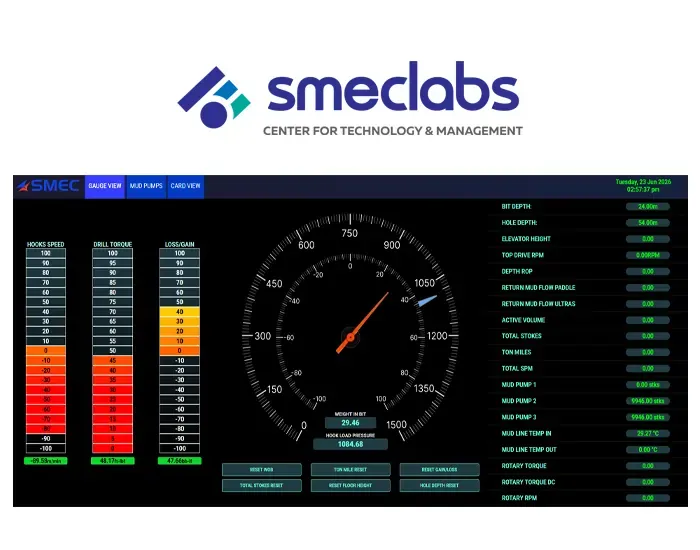
DM-Console-Embedded-System-Courses

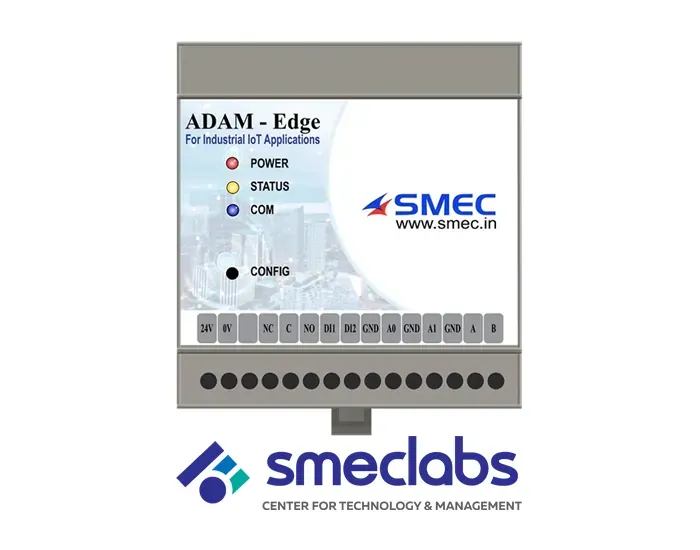
ADAM EDGE

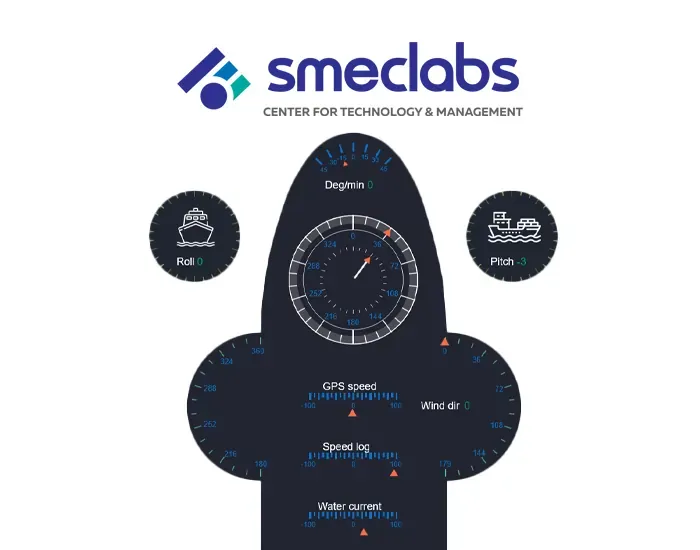
Vessel Monitoring System Embedded System Course

Vessel Monitoring System

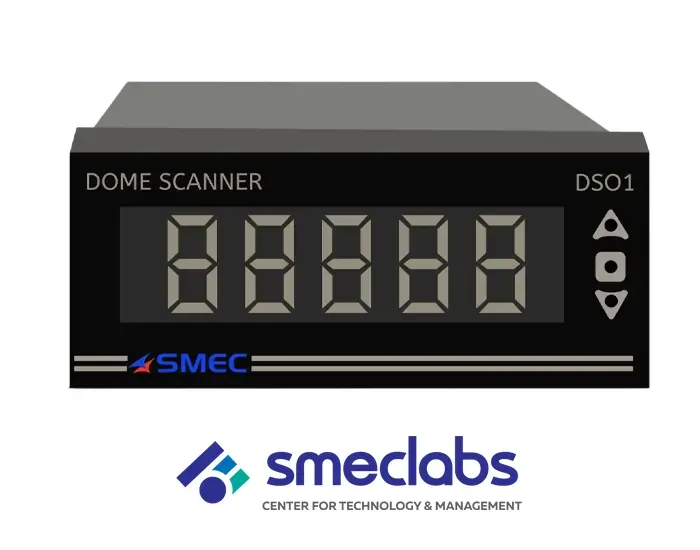
Embedded Systems Course

DOME SCANNER

DM-Console-Embedded-System-Courses

DM Console

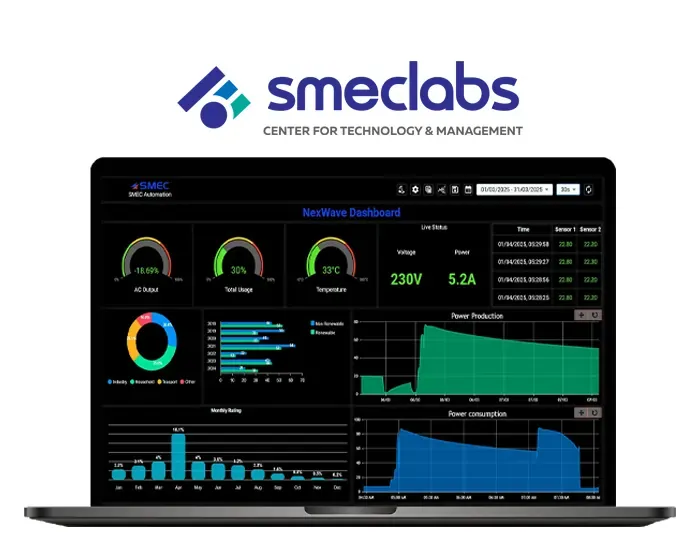
NexWave-Embedded-System-Courses

NexWave

Our Solutions And Services

Explore our solutions and services

Our Solutions And Services

  • Automation & Control Systems
  • Embedded Product Development
  • Power Electronics
  • Digitalization & Remote Monitoring
  • PCB Servicing
  • Customized Drone Development
  • R&D Prototyping Services
  • Robotics Integration
  • Factory Digital Twin Development
  • Predictive Maintenance & AI
  • Safety & Risk Mitigation
  • Energy Efficiency & Sustainability

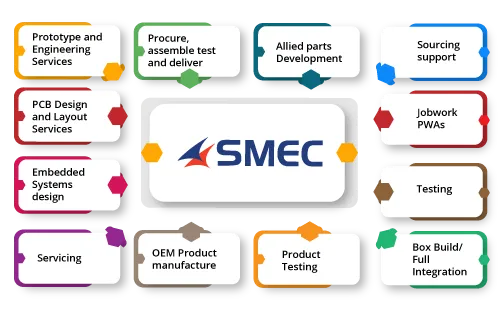
We develop embedded systems & We train you how we did it. We have been in the EMS business since 2001 and have 8 manufacturing facilities across India. We are also exporting to many countries.We have all the certifications to supply all verticals. We provide Electronic Solutions for Industrial, Marine, Offshore, Defense & Aerospace, Medical and Health Care, IT and Telecom, Power and Energy, Railways and Transportation, and the Automotive Industry. We are a customer-centric organization with a very specific quality and support policy.We adhere to quality standards and deliver on our commitments within the agreed timelines. ECE Engineering Job for Freshers, Jobs for ECE freshers.

Our services include:

  • Electronic Design & Manufacturing
  • Products and Systems Integration Services
  • Prototyping & Sourcing
  • Turnkey Manufacturing and Support Services
  • Medium Volume Electronic Products
  • Manufacture of PCBAs
  • OEM Manufacturing
  • FPGA based Systems
  • IoT Software & Hardware
  • Component level Hardware Repair
  • RE-Engineering & Support
Embedded System Couse

Career opportunities

Job Roles

  • Embedded Systems Engineer
  • Firmware Developer
  • Embedded Software Developer
  • Embedded Hardware Engineer
  • IoT Developer
  • Embedded Test Engineer
  • Robotics Engineer
  • Real-Time Systems Developer

PLACEMENTS

Candidates who successfully complete the Embedded Systems courses will be qualified for positions such as Electronic System Engineer, Design and Control System Engineer, and Product Architect, among others.Individuals taking Embedded Systems courses at various educational institutions have ample scope and opportunities in this flourishing field. Furthermore, they might earn a substantial amount of money when they begin their careers in Embedded Systems. Embedded System Developer, Assistant Engineer, Simulation Engineer, Technical Content Developer, and some other well-known jobs are available to Embedded Systems graduates.Companies like Bosch, NVIDIA, Schneider, and other top recruiting businesses often hire Embedded Systems grads with a strong technical background and a solid understanding of the field.The highest package so far has been 28.4 LPA.Best Embedded Systems Courses Offline Online Classes 2026. This course helps you to skill up in Advanced Programming in Embedded Systems.Top Rated Embedded System Training Center in India 2026 Related courses

Electronics System Design & Manufacturing (ESDM) - Division

Placements on Instagram

Our students, placed

Follow @smeclabs_official on Instagram
ഒരു Expectation ഉം ഇല്ലാതെ വന്നു, ജോലി നേടി 😌🔥

ഒരു Expectation ഉം ഇല്ലാതെ വന്നു, ജോലി നേടി 😌🔥

Her journey is a reminder that sometimes, the best things happen when we least expect them. With the right guidance, practical learning…

October 2026 · Reel
And he made it, the career he always dreamed of! 🤍

And he made it, the career he always dreamed of! 🤍

Congratulations to Karthik Babu on getting placed as an Embedded Engineer at ATWIC Research and Development Pvt. Ltd. after successfully…

July 2026 · Reel
“B.Tech പഠിച്ചിറങ്ങിയ Time ൽ Practical Experience ഒന്നും തന്നെ ഇല്ലായിരുന്നു...” 😕

“B.Tech പഠിച്ചിറങ്ങിയ Time ൽ Practical Experience ഒന്നും തന്നെ ഇല്ലായിരുന്നു...” 😕

Congratulations to Shijina V on being placed as an Embedded Engineer Trainee after successfully completing the Professional Diploma in…

July 2026 · Reel
“Part time ആയി ജോലി ചെയ്താണ് പഠിച്ചത്...” 😇

“Part time ആയി ജോലി ചെയ്താണ് പഠിച്ചത്...” 😇

Listen to the Story of Akhilesh! 💪 He is now placed as an Embedded Engineer at Mediatronics Pvt. Ltd. 👏 After completing the Embedded…

July 2026 · Reel
“ജോലി കിട്ടുമോ എന്ന് എല്ലാവർക്കും സംശയമായിരുന്നു. പക്ഷെ...! ☺️”

“ജോലി കിട്ടുമോ എന്ന് എല്ലാവർക്കും സംശയമായിരുന്നു. പക്ഷെ...! ☺️”

Congratulations Arjun S, on getting placed as Jr. Embedded Engineer from SMEClabs! 🙌🏻⚡ Start your career journey with SMEClabs today!…

June 2026 · Reel

See all placements (119) →Follow @smeclabs_official on Instagram ↗

Explore the course & training

Course overview & industry context

We also provide services in Internet of Things (IoT), Remote Monitoring, and Controlling Devices.

2026 Industry-Updated Syllabus: AI - Integrated Embedded Systems

Elevate Your Career: Master the Future of Embedded System Course

SMEClabs provides embedded systems courses for freshers and professionals, offering practical, job-oriented training in embedded technology. The program covers microcontrollers, embedded C programming, RTOS, IoT integration, sensor interfacing, and communication protocols. Through hands-on projects and expert guidance, learners gain industry-ready skills for careers in embedded systems, automation, and product development.

For More Info : +91 9958873874 Download Syllabus
Training approach & opportunities

Your Golden Opportunity Awaits

In today’s technology-driven world, Embedded Systems and Internet of Things (IoT) technologies are transforming industries through smart automation, connected devices, and intelligent systems. From smart homes and healthcare devices to industrial automation, robotics, automotive systems, and wearable technologies, Embedded Systems and IoT play a major role in modern innovation. As industries continue adopting smart technologies, the demand for skilled Embedded and IoT professionals is rapidly increasing across the globe. At SMEClabs, we provide industry-oriented Embedded Systems and IoT Training Programs designed to prepare students and professionals for future-ready technology careers.

Our courses focus on practical learning and hands-on training in Microcontrollers, Embedded C Programming, Arduino, Raspberry Pi, Sensors, Robotics, Wireless Communication, PCB Design, and IoT Application Development. With expert trainers, advanced lab facilities, and real-time project exposure, students gain the technical knowledge and practical skills required to work on innovative smart technology solutions. We focus on both technical excellence and industry readiness to help learners succeed in today’s competitive technology sector.

Whether you are a fresher, diploma holder, engineering graduate, or working professional, SMEClabs helps you build a strong foundation for a successful career in Embedded Systems and IoT. Join SMEClabs and become part of the future of smart technologies, automation, and connected innovation in 2026 and beyond.

Embedded System Course
Industry services, custom training & project support

We offer stable solutions for:

  • Industrial Data Acquisition Systems
  • Communication Devices
  • Communication Protocol Converters
  • Motor Drives
  • Power Converters
  • Control Systems
  • Wireless Devices

We specialize in:

  • Embedded Product Development
  • Customized Hardware Design
  • Firmware Development from scratch for new products or existing hardware
  • PCB Design
  • Reverse Engineering
  • PCB Troubleshooting and Service

Our expertise includes Digital Electronics, Analog Electronics, Power Electronics, and Mixed Signals.

Placements Key Learning Areas

Are you an Embedded System Professional? Accelerate your Electronics Career Growth & Upskill Yourself
We support course customization Individual Classes. Project based Support & Co-Project Assistance.

Embedded Systems course is simply briefed as follows:
  • Developing amazing algorithms and programming various Microprocessors and Microcontrollers
  • Real-Time Operating Systems (RTOS) and Testing – Designing your own Printed Circuit Boards
  • Knowledge about: various sensors, Wired and Wireless communication, Proficiency in Multiple Programming Platforms
  • Hardware Designing and Working
Embedded Systems Course

Eligibility & admissions

Who Can Learn Embedded Systems Course

Minimum Eligibility for Embedded Systems Course

  • Bachelor's Degree is mandatory (Engineering is preferred)
  • No coding experience required.

Electronics information technology government of India Certification SMEC Automation pvt ltd

Who Is This Program For?

  • Professionals interested in exploring Embedded systems
  • Hobbyists and students who want to start their career in Embedded world
  • If you think about 'embedded' then think about taking this course. you will not be disappointed
Training & placement information

100 %

Placement Assistance

100000 +

SMEClabs Kerala’s Largest Institute with 1 Lakh + PlacementsSMEClabs Best skill Developement Training Center in KeralaSMEClabs Best skill Developement Training Center in Kerala

FAQ - Frequently Asked Questions

What is embedded systems courses?
The embedded systems course is designed to provide students with sufficient hands-on learning through practical lessons and techniques for designing, implementing, integrating, and testing software for advanced embedded systems. At SMEClabs, the course provides trainees with an in-depth overview of the life cycle for designing multi-objective and multi-disciplinary embedded systems.
What is embedded system?
An embedded system is the integration of computer hardware and software that plays a crucial role in performing multiple tasks at any given point in time.
Where can I find the best embedded systems course?
Numerous Embedded Systems courses are available online. However, choose one that offers a globally recognized certificate upon course completion. SMEClabs offers short-term graduate and post-graduate courses in embedded systems that are certified and accredited by numerous global organizations.
What is c programming course?
Take a C programming course to build a solid foundation in algorithms and object-oriented programming fundamentals; systematic ways to read and write C code; approaches to solving complex problems by writing C programs; a deep understanding of computing processes; and much more.
What is a microcontroller?
In the most basic terms, a microcontroller is an integrated circuit that consists of a microprocessor along with a memory unit and associated circuits, which enable it to control and operate some or all of the functions of an electronic device or a system.
What are single board computers?
A single-board computer, or SBC, comprises a processor, memory unit, input-output units, and a few additional features built on a single circuit board. It is typically considered a complete computer.
Embedded system course available locations?
Get Embedded Systems Course training in the classroom at limited locations. Kochi, Chennai, Trivandrum, Mumbai, Calicut, Bangalore, Mangalore, Vizag, Dubai, Saudi Arabia, Qatar, Oman, Kuwait, Nigeria.


Your next chapter

Find the right training for you.

Talk to our team about Embedded Systems Course.

Speak to admissions
Ask us