
Nearest centre
Trivandrum
Our Trivandrum centre is in Thiruvananthapuram. Come in for counselling and classes; call before you visit.
KSRTC Complex, Z-1,10th floor, Thampanoor, Thiruvananthapuram695001
Oil, Gas, Marine & Safety
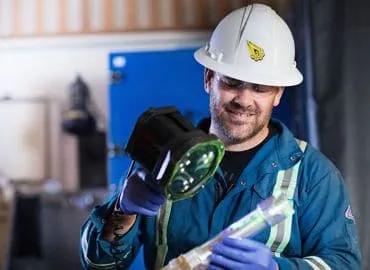
Thiruvananthapuram is Kerala’s capital, home to Technopark, ISRO’s Vikram Sarabhai Space Centre and the Vizhinjam international seaport. Shipyards and ports inspect hulls, welds and structures with non-destructive testing, the methods at the centre of this course. Our Trivandrum centre is in the city, at KSRTC Complex, Z-1,10th floor, Thampanoor, Thiruvananthapuram: study in the classroom, or take the same 120-hour course live online.

The main course
NDT Course - Non-Destructive TestingThe full syllabus, projects, certificates and placements of the NDT course.
See the full courseNearest centre
Our Trivandrum centre is in Thiruvananthapuram. Come in for counselling and classes; call before you visit.
KSRTC Complex, Z-1,10th floor, Thampanoor, ThiruvananthapuramThe same syllabus and certificate as the classroom batches, taught live by our trainers. Join from Thiruvananthapuram on a laptop.
New batches start through the year. Ask for the dates, the fee and a copy of the syllabus.
Ask for the next batchInternational & National Level Certification.
Get NDT Course Training in Classroom at limited locations. Kochi, Chennai, Trivandrum, Mumbai, Calicut, Bangalore, Mangalore, Vizag, Dubai, Saudi Arabia, Qatar, Oman, Kuwait, Nigeria.
Join us to build a sturdy career in the field. Learn from the best and become even better.
NDT Training Institute Thiruvananthapuram The field of Oil and Gas has been growing non-stop since it’s discovery. It shows no signs of stopping in the near future.
The aging workforce of oil and gas professionals call for new minds in ndt courses in Thiruvananthapuram, Kerala.
Get certified in oil and gas and build a robust high paying career. NDT Training Thiruvananthapuram India, Best Oil and Gas training centre in Thiruvananthapuram Oil and Gas training include QA QC NDT course fees in India starts from ₹5000. Eligibility plus two B-Tech BE Diploma Graduates M-Tech ME Ongoing and Pass out, Special training for experienced and working employees
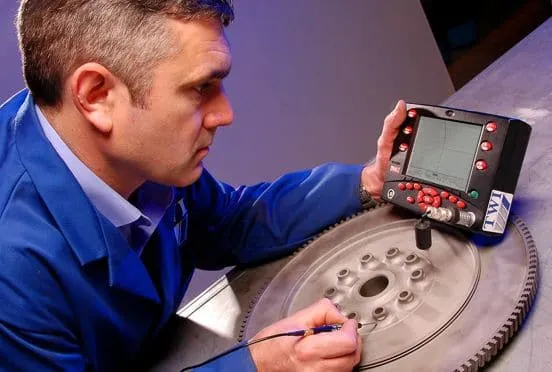
NDT full form of Non Destructive Testing (NDT) is the process of inspecting, testing, or evaluating materials, components or assemblies for discontinuities, or differences in characteristics without destroying the serviceability of the part or system. In other words, NDT Certificate Renewal when the inspection or test is completed the part can still be used.
NDT Training Thiruvananthapuram The field of Oil and Gas has been growing non-stop since it’s discovery. It shows no signs of stopping in the near future.The aging workforce of oil and gas professionals call for new minds.Get certified in oil and gas and build a robust high paying career.

SMEC is an ISO 9001:2015 Certified multinational company founded in 2001. SMEC has grown to become an industry leader with over 25 years of experience in marine and Oil and gas Industrial sector. Training is available in Cochin, Trivandrum (Kerala), Chennai (Tamil Nadu), Mangalore (Karnataka), Visakhapatnam (Andhra Pradesh), Mumbai, Thane (Maharashtra), Sharjah, Dubai (UAE). All candidates can avail Certification accredited by National Skill Development Corporation (NSDC), India International Skill Centre (IISC), TUV Rheinland Germany etc. on the successful completion of training.
SMEC is authorized by the American Society for Non-destructive Testing (ASNT), American Welding Society (AWS), American Petroleum Institute (API). The demand for Engineers and technicians in Oil and Gas, Petroleum Industries has increased to a soaring high like never before. Companies have discovered that the aging workforce in Piping, Pipeline, Instrumentation and automation has become the paramount factor for bring in the next tier of oil and gas sector talented technicians and Engineers.
Key Highlights
Placements
More than 896+ Company Supported 164 M invested on core placements through Placementshala.
Career Impact
Advantages
QA/QC Welding Inspection AWS API
QA QC Course
IntroductionTerms and DefinitionsWelding PositionsFactors affecting the welding processWelding Symbols – AWS A2.4/BS-ISODefectology – Welding, Casting, Forming, Fracture Mechanism(Ductile/Brittle/Fatigue)Introduction to welding process and its parameters
Fusion ARC Welding processshielded metal ARC welding(SMAW/MMA)Tungsten Intert Gas welding(TIG/GTAW)Gas Metal ARC welding (GMAW)-MIG/MAG/FCAWSubmerged ARC weldingthermal welding and cutting processWelding Metallurgy
Materials – Types/composition/structure and propertiesAlloys – Alloys and its characteristicsSteel and its AlloysWeldabilityDefects affecting the weldability of steelDistructive testing of materials and weldsHeat treatmentsstress and DistortionsCalibration, Safety and Weld repairQC documentation – WPS/PQR/WQT/ITPTypes of BoilersBoiler and pressure vessel inspectionPressure parts
NDT - ASNT Level II - UT PT RT MT VT LPT Eddy Currrent
What is NDT?
Need of NDTDifferent NDT MethodsRoles of NDT Level I,II and III InspectorsCodes and StandardsAcceptance, RejectanceCriteriaDefectologyNDT Method SelectionsVisual Testing
Penetrant Test(PT)
IntroductionBasic PrinciplesSteps of PTClassificationsTypes of PenetrantsTypes of CleaningDeveloper TypesPost Cleaning MethodsDwell time of Penetrants and DevelopersFlourescent MethodsBlacklight and WhitelightdevicesIndication Development, Interpretation and EvaluationSafetySensitivity rank of Developers and PenetrantsBrief of ASME Section V Article 6Practicals(Visible and Fluorescent Methods) and Report SamplesMagnetic Particle Testing(MT)
IntroductionMethod SelectionBasics of MagnetismTypes of Magnetic FieldsTypes of MagnetizationDry and Wet MethodsWet, Visible and Fluorescent MethodsMagnetic Particles Concentration and ConditionsField Indicators, Pi Gauge,Slotted StripsLight MeasurementsDemagnetizationHysteresis LoopIntroduction to ASMESection VPracticalsInterpretation, Evaluationand Sample ReportsUltrasonic Testing(UT)
IntroductionBasics of SoundBasic Principle of UTWorking PrincipleWorking PrincipleDesign and Construction of ProbesTypes of TransducersCalibration Methods(V1 block, V2 block and DAC blocks)Inspection Methods and CalibrationData PresentationPracticals(Calibration of Normal, Angle Probe and Inspection of Test Pieces)Radiographic Testing and Film Interpretation(RT & RTFI)
Basics of RTReview of RT variablesDifference between X-Ray and Gamma Ray DevicesIntensity, Penetration and Material ThicknessSource Selection for Gamma Ray TechniqueRadiographic Techniques, SFD, Exposure TimeExposure Time Calculations, Film Factor, RHMRT Film Types, Variables, Handling, Screens, Speed, Density, Exposure and Equivalent Film ClassesPenetrameter – Types, Selection and PlacementFilm Viewing – Illuminator, Film ID, Location Marker, DensitometerRT Image Quality – Sensitivity, Contrast, Definition, Unsharpness, BackscatteringFilm ProcessingCourse, Procedures and Written PracticesRT Safety Aspects, Measuring Devices, Exposure Limits and ProtectionPracticalsReview of Radiographs below RT Report format
Oil & Gas Petroleum Engineering
Introduction to Oil and Gas
Introduction to ProjectDrillingOil ExplorationOil RefiningBasic PipingProcess equipmentsCode and standardsPipe fittings & ComponentsAbbreviation and SymbolsPiping isometric drawingsMetric and imperial unitsTrignometryCut length calculationBill of MaterialsGAD IntroductionCut length of GADEquipment layout drawingP & ID and SymbolsPipe supportsPPE’sPTWH2S
Industrial Safety
Fire safety
Fire triangleClassification of fireExtinguishment of fireFire extinguisherFire hydrant systemFire sprinklerModes of fire transferFire drillPPE
CAD - Isometric Drawings
Drafting settings & drawing tools
Modification toolsArrays2d draftingsIsometric projectionsProperties panel, layersMechanical drawingsAnnotation panelBlocksBlock editingAttributesAdvanced toolsTools palettesPlot and printProject
Project Management and Primavera P6
Introduction
Project Planning Management ConceptCreating OBSCreating EPSCreating WBSCalander CreationActivities and Project CodesActivitiesRelaionshipsSchedulingConstraintRolesResourse CreationResourse AllocationResource Analysis & LevelingBaseline CreationBaseline AssigningEarned Value CalculationUpdating Project ProgressTracking Project ProgressReportsImport & Export Project
First Aid
Engineering, Procurement and Construction
Introduction to EPC in mechanical field
Introduction to Industrial EngineeringEngineering DrawingsEngineering ProjectsOperational PlanningProduction PlanningScheduling and RosterMobilization and DemobilizationProcurement EngineeringMaterial ManagementProduction and ConstructionInspection and Quality analysisCommisioningPPMDocumentationPractice of Implementation
Structural Engineering
Mechanical structure applications
Static structuresApplications
EscalatorsElevatorsMarine vessels & hullsBoilers & pressure vesselsCoach works & carriagesStructural elements
ColumnsBeamsPlatesArchesShellsCatenariesNeed of EPC Engineering
Various types of structural engineering
Beam(s shaped, l shaped(angle))Bearing pile(h-shaped)Channel shaped(c-shaped)Hollow steel shaped (hss)I – beamPipeTeeCustom shapedTrusses
Types of trusses & its applications
Rig Operations
Natural gas processing
Shale gasNatural gas liquidsNatural gas coposition and specificationNatural gas processing“the reason why” a brief history of the use of oil and gas.
The generation of oil and gas prospects
Basic geology and rock properties.Basic seismologyCloseologyProcuring the right to drill – “the mineral lease”
Regulatory permitsBasic drilling operations
The rig and rig siteDrilling fluidWell bore architectureWell controlDeviated wellsOpen holeEvaluation using well logs CoresFluid testsBasic completions Open hole
Slotted liner or gravel pack Cased and perforated Multiple completions Tubing and packers PerforationsNear well bore damage Well stimulationBasic production operationsReservoir mapping – how much is there?Recovery mechanisms basic economics flow from the reservoirWell testingArtificial liftImproved oil recovery methods
Water floodingCO2 floodingChemical floodingOil and gas transportation
PipelinesTrucksRailwaysTankers and lngClosing a project – plug and abandonment and site restoration
Refinary Operations
Introduction to Petroleum Refining and Crude Oil Composition
OverviewAn Overview of Refinery Products and ProcessesChemical Constitution of Crude OilProperties and clasiification of crude oilOverviewAPIGravityViscosityPour pointConcentration on Various ContaminantsDistillation and Boilling pointCruse AssayElemental analysis and ternary classification of crude oilsOver all Refinary FlowDesalting and DistillationLight end unitsCatalytic reformerCatalytic Hydro treat mentConversion of heavy gas oilConversion and processing of vaccum gas oilProcessing and conversion of vaccum distilation residuePaths of upgrading heavy oilSepration Process AAtmoshpheric and Vaccum Distillation unitDistillation MethodsDistillation TerminologySepration Process BFractionation on Light End Units ( LEU)DeasphaltingGradient Solubility ModelDeasphalting ProcessDewaxingThermal Conversion ProcessChemistry of Thermal CrackingThermal Reactivity consideration in processVisbreakingCokingCatalytic Conversion process 1Chemistry of Catalytic CrackingCatalytic cracking processCatalytic hydrocrackingCatalytic Conversion process 2Catalytic reformingChemistry of catalytic reformingAlkylationPolymerizationIsomerizationFinishing Process HydrogenationHydrotreatmentHydrodesulfurisationHydrodenitrogenationHydrodemetallationHydrotreatment ProcessProduct BlendingSupporting ProcessGas processing unitSulfur recoveryHydrogen ProductionWatewater treatmentEnvironmental regulation of refinary
Advantages of NDT Training?
There are plenty of advantages of completing NDT certified courses Getting certificate with best institute in NDT training will provide you guaranteed job and 100% placement and you can also do jobs in abroad.
They are Affiliated by ASNT and recognized by the government. They provide best machine practical demonstration and takes students to site visit to practice machines.
NDT Training Thiruvananthapuram
NDT Training Thiruvananthapuram , To know more about ndt course training fees Thiruvananthapuram SMEClabs Provides Best futuristic demands of the new age career trends, NDT Course Training in India and Business Analytics Training, Business intelligence & analytics training
NDT Training Job Opportunities 2025
NDT careers are interesting and each in my view and financially rewarding. This makes NDT jobs extraordinarily desirable. Whether you’re searching out a dependable profession direction or need to improve your profession, NDT (non-damaging testing) gives many outstanding opportunities. This consists of severa alternatives for development and expert growth. Best of all, NDT careers in 2022 are in excessive call for and with no trouble available. In fact, 2022 is the right time to get commenced in non-damaging testing!
Best NDT Course Training institute in Thiruvananthapuram is used across industries such as ndt course fees in Kerala aerospace, oil and gas, nuclear, power generation, medical, rail and general manufacturing to name a few. It is a crucial aspect of quality control and ultimately health and safety.
At KSRTC Complex, Z-1,10th floor, Thampanoor, Thiruvananthapuram. Call +919958873874 before you visit to check the day’s classes.
Yes. The course runs as live online classes as well as in the classroom, with the same syllabus and certificate, so you can start from Thiruvananthapuram and visit the centre for practical sessions.
120 hours, taught in the classroom and online. The course page lists every module and its hours.
It depends on the programme and the batch you choose. Send an enquiry and a counsellor will share the current fee, the next batch dates and the syllabus.
Yes, placement support is part of the course. The NDT course page shows recent students’ placement stories; ask a counsellor about current openings.
Your next chapter
Talk to our team about NDT Training Thiruvananthapuram.