




Industry-focused learning. Real-world possibilities.Talk to our team +91 99588 73874

Automation2026 syllabus · AI-integrated

Instrumentation Courses

For offshore, oil and gas, marine and industrial plants

SMEClabs’ instrumentation courses teach measurement and control for offshore, oil and gas, marine and industrial plants: sensors, transmitters, calibration with HART and Foundation Fieldbus, P&ID plant design, control valves and linking instruments to controllers, in classroom and online batches with placement assistance.

  • Calibration of instruments, HART and Foundation Fieldbus
  • Designing plants with P&ID, troubleshooting and QA/QC
  • Schneider, Honeywell, ABB, Rosemount and Allen-Bradley equipment
  • No previous experience required
Who can join
  • Plus Two
  • ITI
  • Diploma
  • BE / B.Tech
  • M.E / M.Tech
In association withNSDC Logo SMEClabsSkill Development And Entrepreneurship SMEClabsconfederation of india logo smeclabsJain University logo smeclabsskill india logo smeclabs

Prefer to talk? Call +91 99588 73874

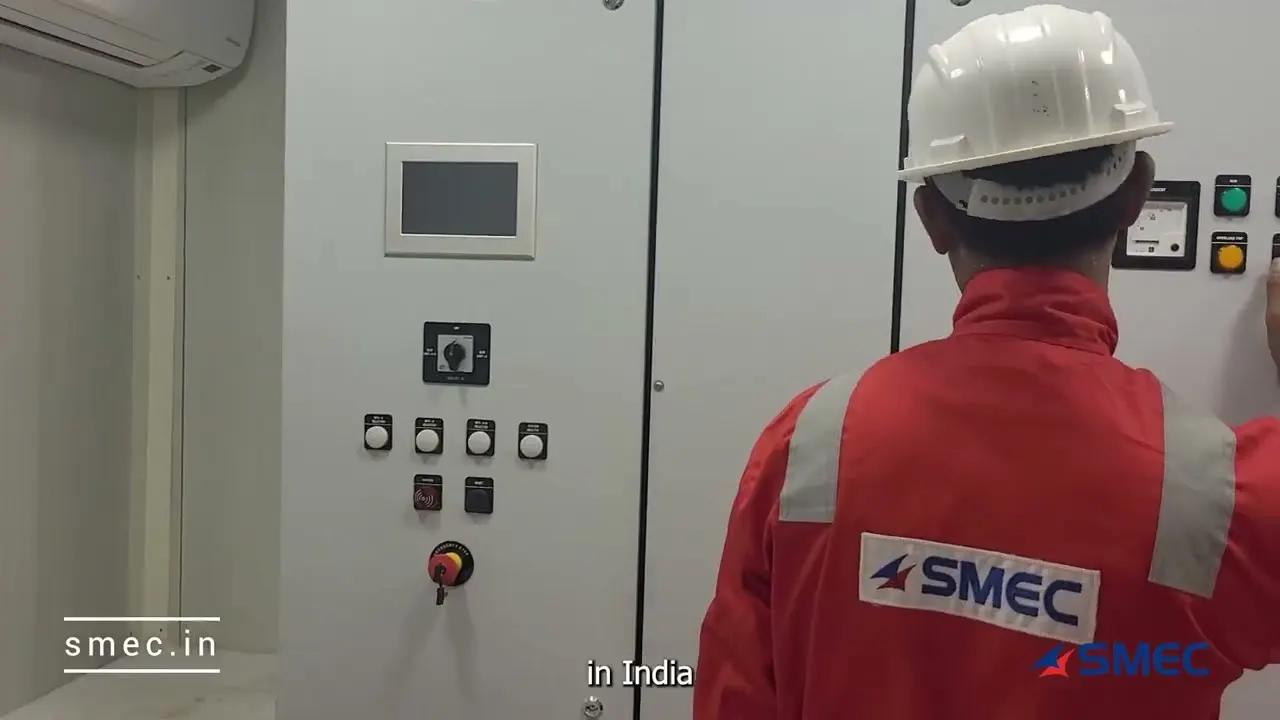
A student at an instrumentation and control panel in the SMEClabs lab
of training
25+ years
trained
36,270+
hands-on lab
40,000 sq ft
Category
Automation & Robotics
Duration
3 to 6 months
Mode
Classroom and online
Programmes
2 programmes

Our Instrumentation Courses

Diploma in Instrumentation & Control Systems with Gen AI

Masters

Diploma in Instrumentation & Control Systems with Gen AI

  • 6 months
  • Course code 46200
Eligibility:
Plus Two

Placement support

View syllabusHide syllabus

Course syllabus

  1. Module 1 — Industrial Safety
    • Hazardous Area Classification (HAC)
    • Fire Triangle
    • HACs based on IEC , NEC Standards
    • Explosion Protection Concepts
    • Work Permit Systems (WPS)
    • Work Equipment
    • The Hazardous and Risks of Electricity
  2. Module 2 — Familarization Of Tools
    • Spanner set
    • Adjustable Spanner
    • Tester
    • Screw driver
    • Tube bender
    • Tube cutter
  3. Module 3 — Familarization Of Multimeter
    • Analog & Digital
    • Mesuring Methodes
  4. Module 4 — Basic Elecrical
    • DC Circuit Analysis
    • AC Fundamentals ( single-phase&Three-Phase)
    • Magnetic Circuits&Transformers
    • Electrical Machines
    • Measuring Instruments & Installation
  5. Module 5 — Basic Electronics
    • Semiconductor Physics And Diodes
    • Transistor
    • Operational Amplifiers
    • Digital Electronics
  6. Module 6 — Familarization Of Standard Calibrators
    • Druck Calibrator
    • Loop Calibrator
    • Tacho Meter
    • Vernier
    • ScrewGAuge
    • HART communicator
    • Deadweight Tester
  7. Module 7 — Basic Instrumentation
    • Process : Definition & Concepts
    • Instrumentation : Definition & Importance
    • Instrumentation : Job Scopes
    • Parameters of Instrumentation
    • Instrumentation Signals
    • Process Control Overview
    • Current, Pressure, Voltage
    • Live Zero & Dead Zero Concepts in Instrumentation
    • Convertors : Current to Pressure & Pressure to Current
    • Instruments in Process Industries
    • Sensors & Transducers
    • Instruments : Generic Structure & Signal Transmission
    • Instruments : Measurement Characteristics
    • Instrument : Calibration & General Understanding
    • Relays, Contactors, Relay Wiring Drawing Concepts
  8. Module 8 — Sensors & Transducers
    • Introduction & Fandamentals
    • Defenition
    • Classification
    • Motion,Proximity,
    • Strain Gauges,Load Cell
    • Hall Effect Sensors
  9. Module 9 — Temperature
    • Temperature Theory
    • Heat and Temperature
    • Methods of Heat Transfer
    • Temperature Measurement Techniques:Mechanical & Electrical
    • Temperature Switch
  10. Module 10 — Pressure
    • Definition
    • Effects on Pressure
    • Types of Pressure
    • Units of Pressure
    • Pressure Monitoring Instruments in Industries
    • Pressure Gauge:Operating Principle and Construction
    • Pressure Gauge:Types and Protection
    • Pressure Gauge:Hookup Drawing and Documentation
    • Pressure Switch: Working Principle and Construction
    • Transmitter:General Overview and Types
    • Transmitter:Working Principle and Construction
    • Communication Protocol: HART
    • Transmitter:Hook up and Documents
    • Transmitter:Types and Isolation Procedure
  11. Module 11 — Level
    • Definition
    • Level measurement: Types, Calculations
    • DP level Transmitter: Accessories and Mounting
    • DP level Transmitter: Hookup and Installation
    • DP level Transmitter: Isolation Procedure for maintenance
    • Capacitance Type Level transmitter
    • Level Switch: Working and Types
    • Level Switch and Transmitters: Datasheet
  12. Module 12 — Flow
    • Definition
    • Factors affecting flow rate in Pipes
    • Reynold’s Number
    • Types of Flow meters
    • Volumetric Flowmeters
    • Flow Transmitter-DP Flow Theory
  13. Module 13 — Control Valves
    • Valve:Types, Operation and Different parts
    • Valves : Actuators Types
    • Pneumatic Actuators : Working & Types
    • Valves : Body & Types of Port
    • Valves : Body & Types of Plug
    • Valves : Types of Motion
    • Valves : Types of Seats
    • Control Valves : Flow Characteristics
    • ON-OFF Valves : Working & Application
    • Solenoid Valve : Operating Principle & Different Types
    • Control Valves : Major Problems
    • Control Valves : Isolation Procedure for Maintenance
  14. Module 14 — PID Controller
    • Indroduction
    • Types of PID Controllers
    • Working Principle
    • PID Tuning Methods
    • Hardware Setup
    • Applications of PID
  15. Module 15 — Documentation And Wiring
    • Plot Plans & Different Types
    • Process Flow Diagrams
    • Piping & Instrument Diagrams (P&IDs)
    • Instrument Index List
    • Instrument I/O list
    • Instrumentation Specification Document
    • Instrumentation Loop Diagrams
    • Junction Box Wirings Drawings
    • Control Room Layout
    • Instrumentation Location Layout
    • Instrumentation Tray Layout
    • Cable Block Diagrams & Cable Schedules
    • Bill of Materials
    • Instrument Logic Diagrams
    • Cause and Effects Matrix
  16. Module 16 — Electrical Design & Hardware
    • Introduction to Electrical Wiring
    • Basic Electrical Circuits / Drawings
    • Relays
    • Circuit designing using Relays
    • Relay Wiring
  17. Module 17 — Automation
    • Introduction to Industrial Automation
    • Automation Tools
    • PLC Architecture
    • Programming Languages
    • Ladder Diagram
    • Implementation on Logic Gates
    • Rules for Programming
    • Latching and Unlatching
  18. Module 18 — Logix pro
    • Introduction to Logix Pro
    • Basic Programming
    • Concept of Binary/ Memory Bit
  19. Module 19 — PLC (Programmable Logic Controller) Allen Bradley (Micrologix 1400)
    • Introduction to Allen Bradley PLC
    • Software Familiarization - RS Logix 500, RS Linx
    • Basic Programs and Binary Concepts
    • Compare Blocks
    • Move Blocks (MOV)
    • Math Blocks (ADD, SUB, DIV, MUL)
    • One Shot Rising – OSR
    • FIFO, LIFO
    • Analog Scaling
    • Sequential Block (SQL,SQC)
    • Jump – Label
    • Subroutine
  20. Module 20 — PLC (Programmable Logic Controller) Schneider Electric (M221)
    • Introduction to Schneider Electric PLC
    • Software Familiarization - EcoStruxure Machine Edition
    • Basic Programming and Binary Concepts
    • Timer
    • Counter
    • Compare Block
    • Operation Block
    • OSR
    • Register Block (FIFO, LIFO)
    • Drum Controller
    • Analog Scaling
    • Jump – Label
    • Subroutine
  21. Module 21 — SCADA (Supervisory Control & Data Acquisition) InTouch
    • Introduction to Intouch SCADA
    • Creating New Projects
    • Digital Tags
    • Objects & Symbols
    • Scripting
    • Analog Tags
    • Tag Properties
    • Animating Objects (Filling, Moving, Visibility
    • Real-time Trends
    • Historical Trends
    • Alarm Summary
    • Alarm History
    • Page Navigation
    • Tag Grouping
    • Recipe
    • Security
  22. Module 22 — HMI (Human Machine Interface)
    • Schneider Electric (Vijeo Designer)
    • Introduction to HMI
    • Software Familiarization – Vijeo Designer
    • Tags
    • Objects
    • Actions
    • Trends
    • Alarms
    • Page Navigation
    • Security
    • Pop-up Panel
  23. Module 23 — Interfacing
    • Introduction to Interfacing
    • Interfacing 1:1 PLC WITH 1 SCADA
    • Interfacing 2 : PLC WITH HMI
  24. Module 24 — ISPW (Industrial Standard Panel Wiring)
    • Electrical Wiring tools
    • Electrical Drawing Concepts and Reading
    • PLC program development and Wiring
    • Panel Designing
  25. Module 25 — MCC (Motor Control Center)
    • Introduction to AC Motors
    • Introduction to MCC Panel (Motor Control Center)
    • Starting, Controlling and Protection of Motor
    • Starters – DOL Starter, Star – Delta Starter
    • MCC Panel Wiring
  26. Module 26 — VFD (Variable Frequency Drive)
    • Schneider Electric (Altivar 312)
    • Introduction to VFD
    • Construction and Working
    • Setting Basic Parameters
    • Setting Control Options
    • Setting I/O, Speeds, Breaking
  27. Module 27 — Cable Glanding
    • Introduction and Fundamentals
    • Cable Gland selection
    • Glanding and Termination Procedures
    • Testing and Quality Control

Questions about this syllabus?

CallEnquireBook a free demo
Certified Instrumentation Engineer

Professional

Certified Instrumentation Engineer

  • 3 months
  • Course code 46201
Eligibility:
Tech Degree, ITI, Diploma, B-Tech Above

Placement support

View syllabusHide syllabus

Course syllabus

  1. Module 1 — Familarization Of Standard Calibrators
    • Druck Calibrator
    • Loop Calibrator
    • Tacho Meter
    • Vernier
    • ScrewGAuge
    • HART communicator
    • Deadweight Tester
  2. Module 2 — Basic Instrumentation
    • Process : Definition & Concepts
    • Instrumentation : Definition & Importance
    • Instrumentation : Job Scopes
    • Parameters of Instrumentation
    • Instrumentation Signals
    • Process Control Overview
    • Current, Pressure, Voltage
    • Live Zero & Dead Zero Concepts in Instrumentation
    • Convertors : Current to Pressure & Pressure to Current
    • Instruments in Process Industries
    • Sensors & Transducers
    • Instruments : Generic Structure & Signal Transmission
    • Instruments : Measurement Characteristics
    • Instrument : Calibration & General Understanding
    • Relays, Contactors, Relay Wiring Drawing Concepts
  3. Module 3 — Temperature
    • Temperature Theory
    • Heat and Temperature
    • Methods of Heat Transfer
    • Temperature Measurement Techniques:Mechanical & Electrical
    • Temperature Switch
  4. Module 4 — Pressure
    • Definition
    • Effects on Pressure
    • Types of Pressure
    • Units of Pressure
    • Pressure Monitoring Instruments in Industries
    • Pressure Gauge:Operating Principle and Construction
    • Pressure Gauge:Types and Protection
    • Pressure Gauge:Hookup Drawing and Documentation
    • Pressure Switch: Working Principle and Construction
    • Transmitter:General Overview and Types
    • Transmitter:Working Principle and Construction
    • Communication Protocol: HART
    • Transmitter:Hook up and Documents
    • Transmitter:Types and Isolation Procedure
  5. Module 5 — Level
    • Definition
    • Level measurement: Types, Calculations
    • DP level Transmitter: Accessories and Mounting
    • DP level Transmitter: Hookup and Installation
    • DP level Transmitter: Isolation Procedure for maintenance
    • Capacitance Type Level transmitter
    • Level Switch: Working and Types
    • Level Switch and Transmitters: Datasheet
  6. Module 6 — Flow
    • Definition
    • Factors affecting flow rate in Pipes
    • Reynold’s Number
    • Types of Flow meters
    • Volumetric Flowmeters
    • Flow Transmitter-DP Flow Theory
  7. Module 7 — Control Valves
    • Valve:Types, Operation and Different parts
    • Valves : Actuators Types
    • Pneumatic Actuators : Working & Types
    • Valves : Body & Types of Port
    • Valves : Body & Types of Plug
    • Valves : Types of Motion
    • Valves : Types of Seats
    • Control Valves : Flow Characteristics
    • ON-OFF Valves : Working & Application
    • Solenoid Valve : Operating Principle & Different Types
    • Control Valves : Major Problems
    • Control Valves : Isolation Procedure for Maintenance
  8. Module 8 — PID Controller
    • Indroduction
    • Types of PID Controllers
    • Working Principle
    • PID Tuning Methods
    • Hardware Setup
    • Applications of PID
  9. Module 9 — Documentation
    • Plot Plans & Different Types
    • Process Flow Diagrams
    • Piping & Instrument Diagrams (P&IDs)
    • Instrument Index List
    • Instrument I/O list
    • Instrumentation Specification Document
    • Instrumentation Loop Diagrams
    • Junction Box Wirings Drawings
    • Control Room Layout
    • Instrumentation Location Layout
    • Instrumentation Tray Layout
    • Cable Block Diagrams & Cable Schedules
    • Bill of Materials
    • Instrument Logic Diagrams
    • Cause and Effects Matrix
  10. Module 10 — Electrical Design & Hardware
    • Introduction to Electrical Wiring
    • Basic Electrical Circuits / Drawings
    • Relays
    • Circuit designing using Relays
    • Relay Wiring
  11. Module 11 — Automation
    • Introduction to Industrial Automation
    • Automation Tools
    • PLC Architecture
    • Programming Languages
    • Ladder Diagram
    • Implementation on Logic Gates
    • Rules for Programming
    • Latching and Unlatching
  12. Module 12 — Logix pro
    • Introduction to Logix Pro
    • Basic Programming
    • Concept of Binary/ Memory Bit
  13. Module 13 — PLC (Programmable Logic Controller) Allen Bradley (Micrologix 1400)
    • Introduction to Allen Bradley PLC
    • Software Familiarization - RS Logix 500, RS Linx
    • Basic Programs and Binary Concepts
    • Compare Blocks
    • Move Blocks (MOV)
    • Math Blocks (ADD, SUB, DIV, MUL)
    • One Shot Rising – OSR
    • FIFO, LIFO
    • Analog Scaling
    • Sequential Block (SQL,SQC)
    • Jump – Label
    • Subroutine
  14. Module 14 — PLC (Programmable Logic Controller) Schneider Electric (M221)
    • Introduction to Schneider Electric PLC
    • Software Familiarization - EcoStruxure Machine Edition
    • Basic Programming and Binary Concepts
    • Timer
    • Counter
    • Compare Block
    • Operation Block
    • OSR
    • Register Block (FIFO, LIFO)
    • Drum Controller
    • Analog Scaling
    • Jump – Label
    • Subroutine
  15. Module 15 — SCADA (Supervisory Control & Data Acquisition) InTouch
    • Introduction to Intouch SCADA
    • Creating New Projects
    • Digital Tags
    • Objects & Symbols
    • Scripting
    • Analog Tags
    • Tag Properties
    • Animating Objects (Filling, Moving, Visibility
    • Real-time Trends
    • Historical Trends
    • Alarm Summary
    • Alarm History
    • Page Navigation
    • Tag Grouping
    • Recipe
    • Security
  16. Module 16 — HMI (Human Machine Interface)
    • Schneider Electric (Vijeo Designer)
    • Introduction to HMI
    • Software Familiarization – Vijeo Designer
    • Tags
    • Objects
    • Actions
    • Trends
    • Alarms
    • Page Navigation
    • Security
    • Pop-up Panel
  17. Module 17 — Interfacing
    • Introduction to Interfacing
    • Interfacing 1:1 PLC WITH 1 SCADA
    • Interfacing 2 : PLC WITH HMI
  18. Module 18 — ISPW (Industrial Standard Panel Wiring)
    • Electrical Wiring tools
    • Electrical Drawing Concepts and Reading
    • PLC program development and Wiring
    • Panel Designing
  19. Module 19 — MCC (Motor Control Center)
    • Introduction to AC Motors
    • Introduction to MCC Panel (Motor Control Center)
    • Starting, Controlling and Protection of Motor
    • Starters – DOL Starter, Star – Delta Starter
    • MCC Panel Wiring
  20. Module 20 — VFD (Variable Frequency Drive)
    • Schneider Electric (Altivar 312)
    • Introduction to VFD
    • Construction and Working
    • Setting Basic Parameters
    • Setting Control Options
    • Setting I/O, Speeds, Breaking
  21. Module 21 — Cable Glanding
    • Introduction and Fundamentals
    • Cable Gland selection
    • Glanding and Termination Procedures
    • Testing and Quality Control

Questions about this syllabus?

CallEnquireBook a free demo

Admissions open

Talk to an admissions counsellor

Get the syllabus, fees and next batch dates. We call you back within one working day.

  • Which programme fits your qualification
  • Fees and the next batch at your centre
  • Placement support after the course

Call +91 99588 73874WhatsApp

Request a call back

We share this enquiry, in coded form, with Google and Meta to measure our ads.

Top Skills You Will Learn in Instrumentation Courses

Not sure where to start? Ask a counsellor

  • Designing Plant using P&ID
  • Calibration of various Instruments | HART | Foundation Fieldbus
  • Repair and maintenance of different Instruments
  • Trouble shooting of various Instrumentation plants
  • Instrumentation QA/QC
  • Communicating Instruments with Controllers

The science of automated control and measurement is instrumentation, and it encompasses the study of instruments across various verticals, including sensors, transmitters, receivers, and related components, as well as their calibration, updating, and development in line with ever-evolving technology and standards.Devices are briefly classified under process variables like :

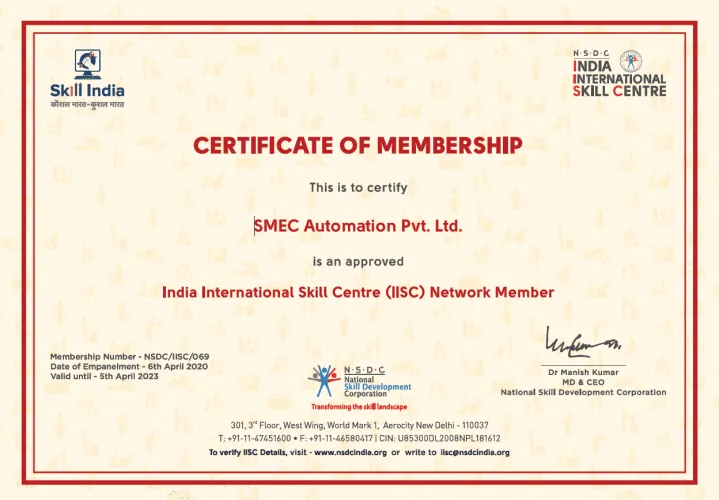
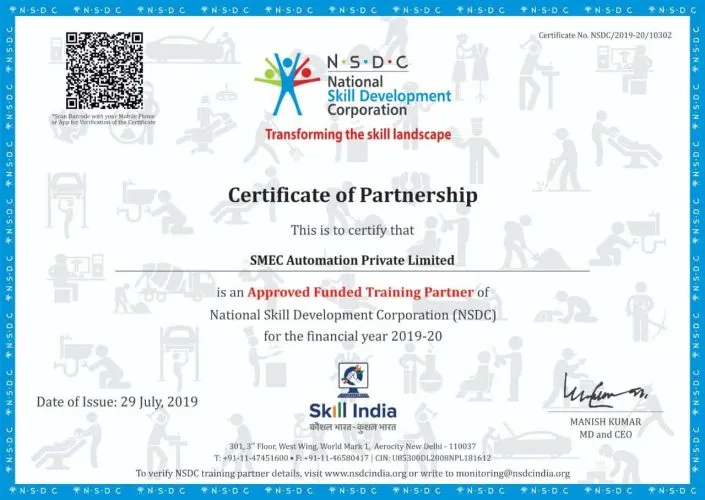
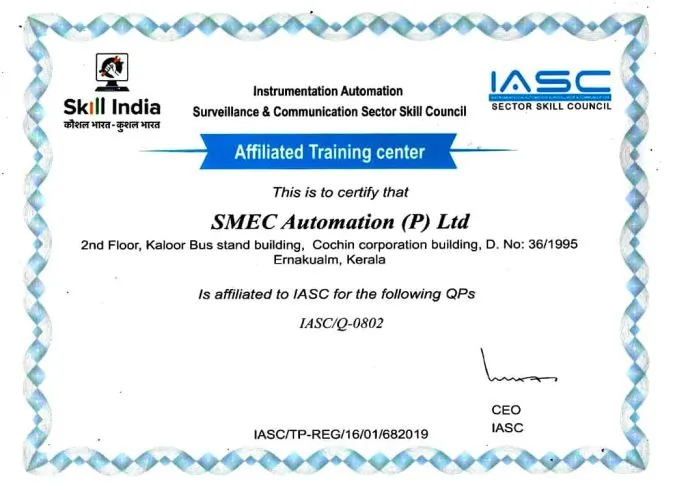
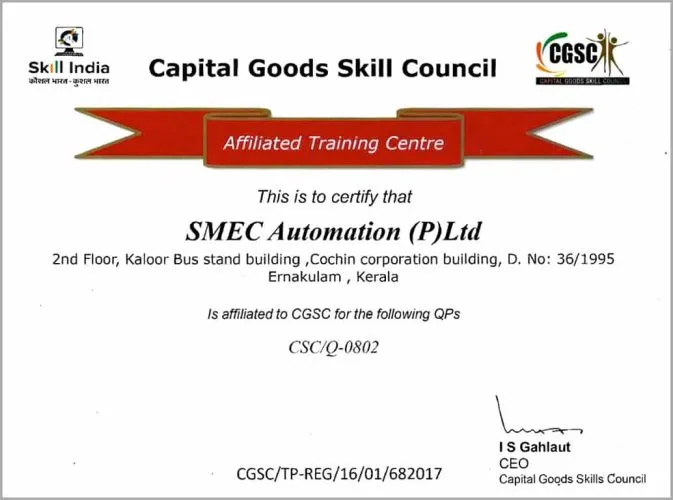
Our Certification & Accreditation

iisc india international skill center network member
smec automation nsdc partnership certificate
iasc certification smeclabs
cgsc-smec-certificate
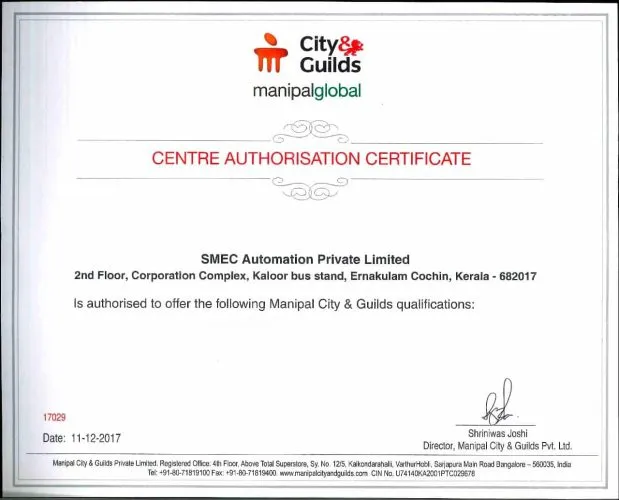
city-guilds-smec-certificate
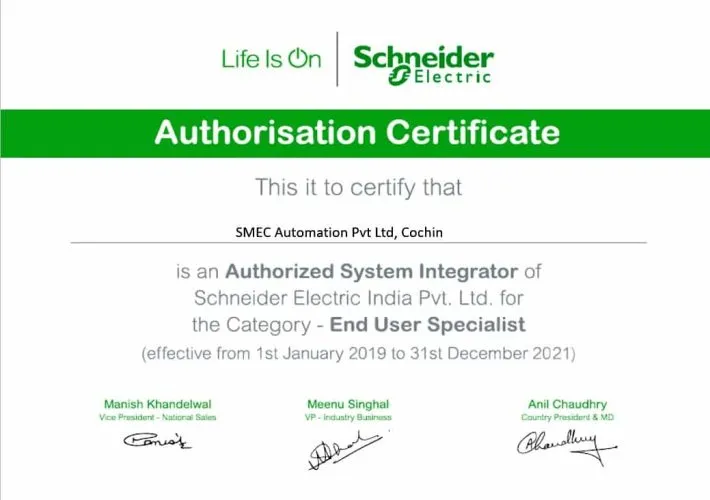
schneider electric authorisation certificate for smec automation
NSDC IISC SMEC Certificationssilicon ranked1111

Tools We used in Instrumentation Courses

What is Industrial Instrumentation?

Instrumentation is the science of automated measurement and control. It involves using specialized devices—called instruments—to monitor and manipulate physical variables within a system, such as pressure, temperature, flow, and level.

In an industrial context, it acts as the "eyes and ears" of a process. A typical loop consists of a sensor to detect a change, a transmitter to convert the data into a signal, and a controller (such as a PLC) that decides how to respond. Finally, an actuator (like a valve) makes the necessary physical adjustment to keep the system stable and safe.

Instrumentation Courses Offshore Oil & Gas Marine Industrial. What is Instrumentation? An Automated system without instrumentation is more like a human without his/her sense organs. As living organisms, we know how important it is to have our senses working properly and to have them give us feedback on various parameters we can rely on. Just like we say we can listen, touch, taste, smell, and see things, and we combine these in our brains to respond accordingly in different situations. Similarly in an Automated industry, it is understood that we have to program various tool like the PLC (brain), SCADA / HMI (which help in monitoring), VFD (which help in carrying out a direct process) etc. but for them to respond based on the situation they need to get precise feedback from the field to which they will respond based on the program fed into them. These devices are briefly classified as: Level, Flow, Temperature & Pressure.

A Legacy of Excellence

For 25 years, SMEClabs has been at the forefront of the industrial revolution in India.

Experience
25+ Years of Training Excellence
Alumni
36,270+ Successfully Trained Candidates
Impact
Creating a global pool of skilled professionals

Our Industry

instrumentation courses

Top Job Roles in Instrumentation

  • Instrumentation Design Engineer
  • Control Systems Engineer
  • Field Service Engineer
  • Calibration Engineer
  • Maintenance & Reliability Engineer
  • Functional Safety Engineer (SIS)
  • Project Engineer
  • Instrumentation Technician
  • Instrument Fitter
  • Calibration Technician
  • Field Service Technician

Placements

Trusted by genius people.

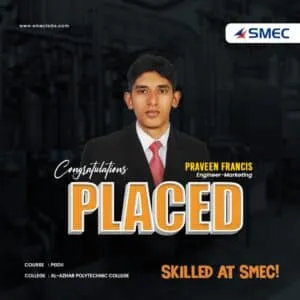
SMEClabs have paved the way for several candidates to get their dream job.

More placement stories on Instagram

The SMEClabs Advantage: Where Training Meets Reality

As the R&D and training division of SMEC Automation—one of India’s leading EPC companies—SMEClabs provides more than just a certification. We provide an ecosystem of excellence.

World-Class Infrastructure

Our Cochin headquarters boasts a massive 40,000 sq. ft. hands-on lab facility, one of the largest in the country.

Real-World Exposure

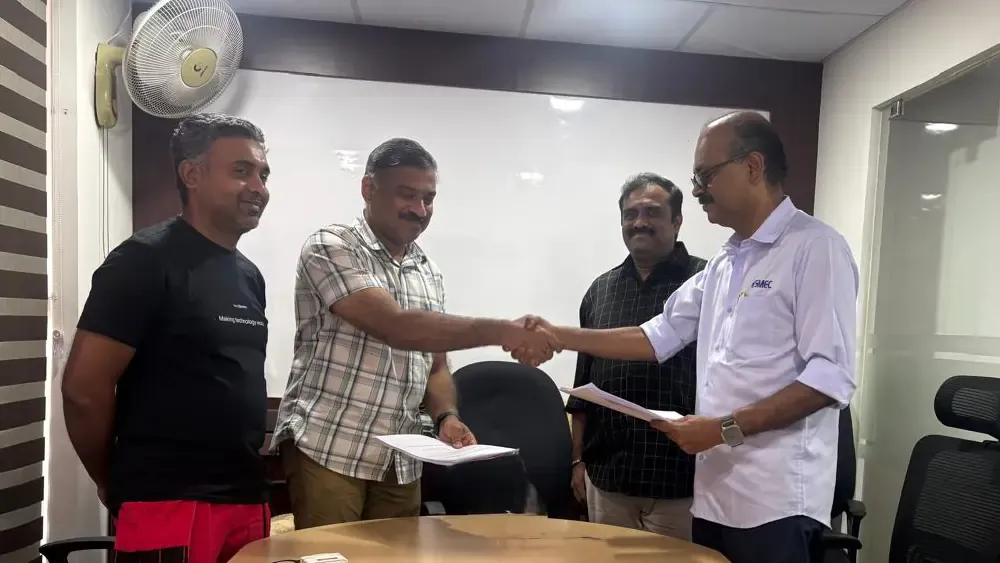
Gain exclusive insights into the Industrial and Marine divisions of SMEC. Watch real-time control panels and projects being integrated for elite clients, including ONGC, BPCL, the Indian Navy, and the Defense sector.

Expert Mentorship

Learn directly from veteran engineers. Our curriculum isn't just theoretical; it’s a direct transfer of knowledge from the field to the classroom.

SMEC Automation Pvt Ltd

SMEC Automation Pvt Ltd is a multinational marine and industrial automation company operating in India, Dubai, and Singapore. It is known for delivering advanced automation solutions and turnkey installations.In India, SMEC has branches in Mumbai, Cochin, Chennai, Visakhapatnam, and Mangalore, with global operations coordinated through its Dubai office and a strong presence in Sharjah, UAE.The company specializes in marine systems, including control panels, alarm and monitoring systems, propulsion, and boiler controls. It also provides industrial solutions including AMF systems, power management, and automation projects across India. For More Info

2:03
SMEC Automation: company and industry

Our Recent Achievements

VARD-2
VARD-1

Electrifying the Ocean: SMEC × VARD INDIA

SMEC and VARD INDIA power two SOVs with advanced electric propulsion.

Illumination-Hut-1
Illumination-Hut-2

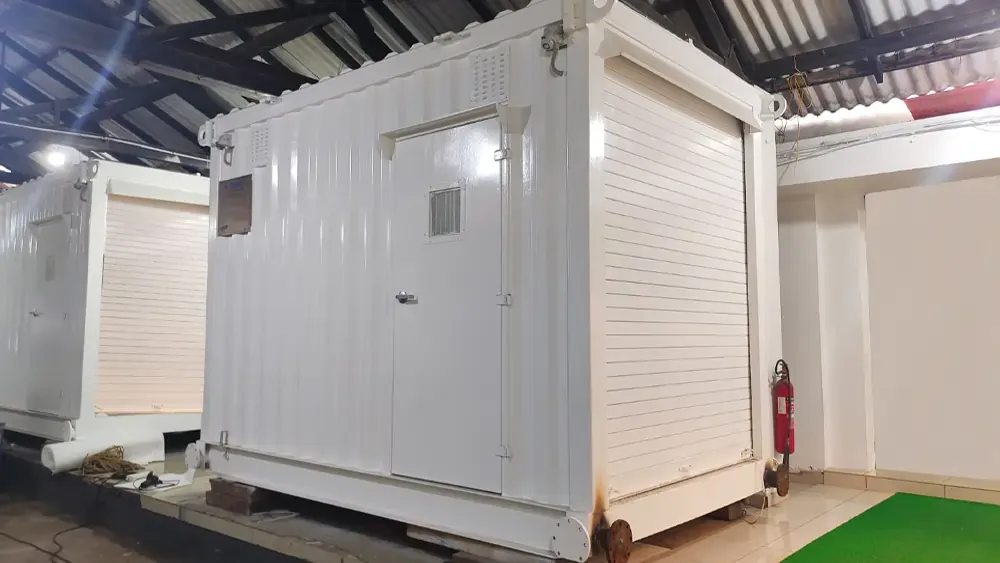
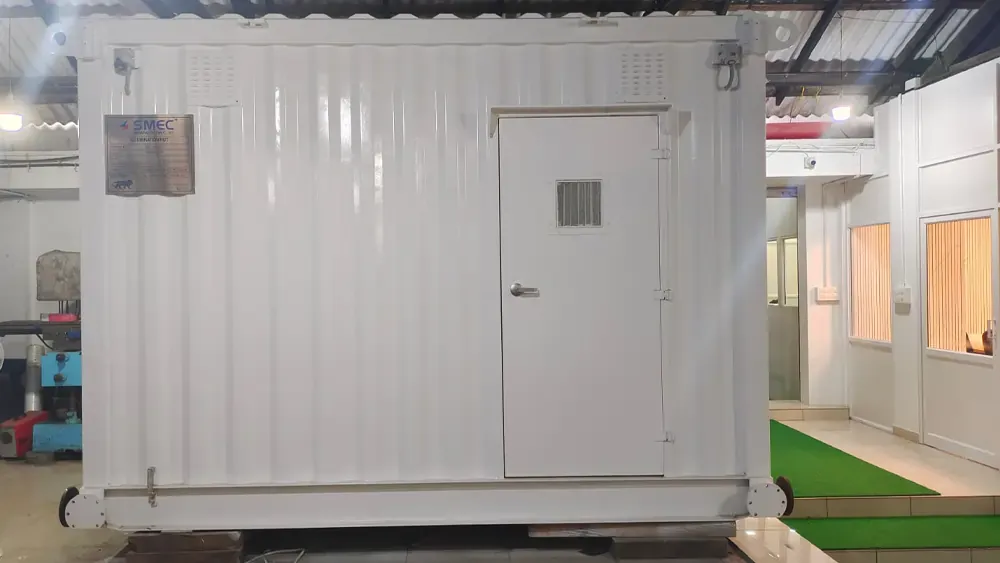
Project Name : Drillmec - Illumination Hut

Drillmec’s Illumination Hut provides advanced lighting for complex drilling operations.

MCC-PANEL(3)
MCC-PANEL
MCC-PANEL1
MCC-PANEL2

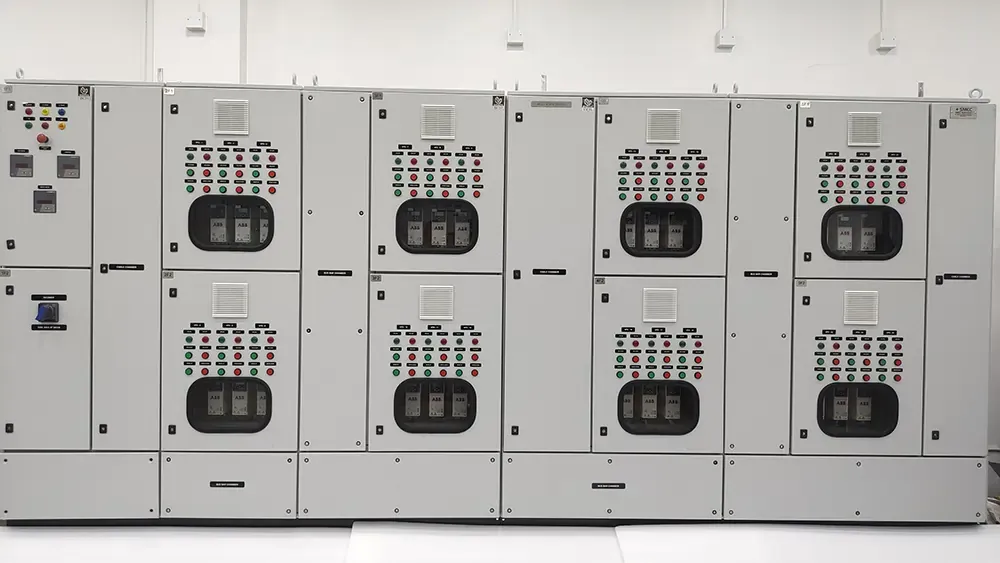
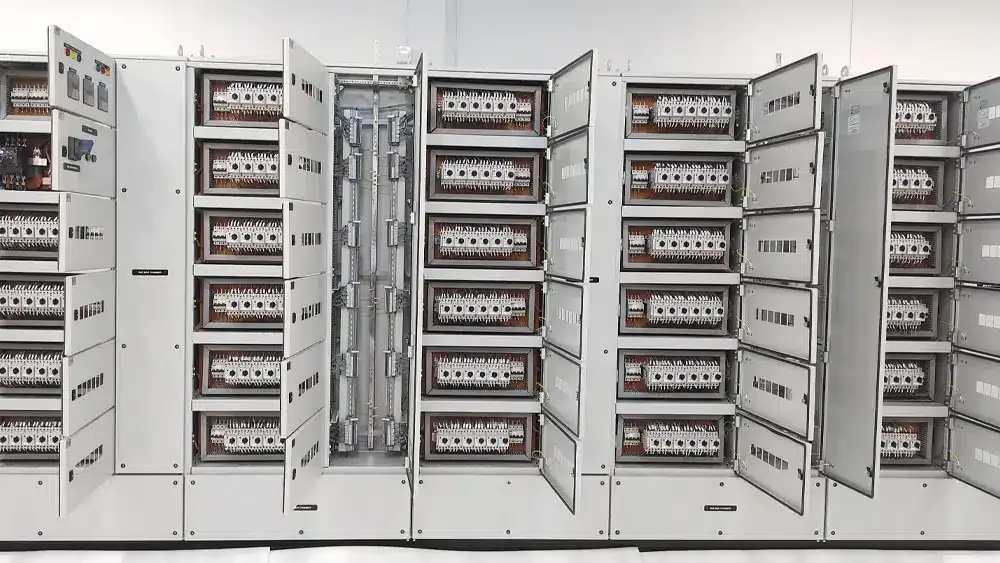
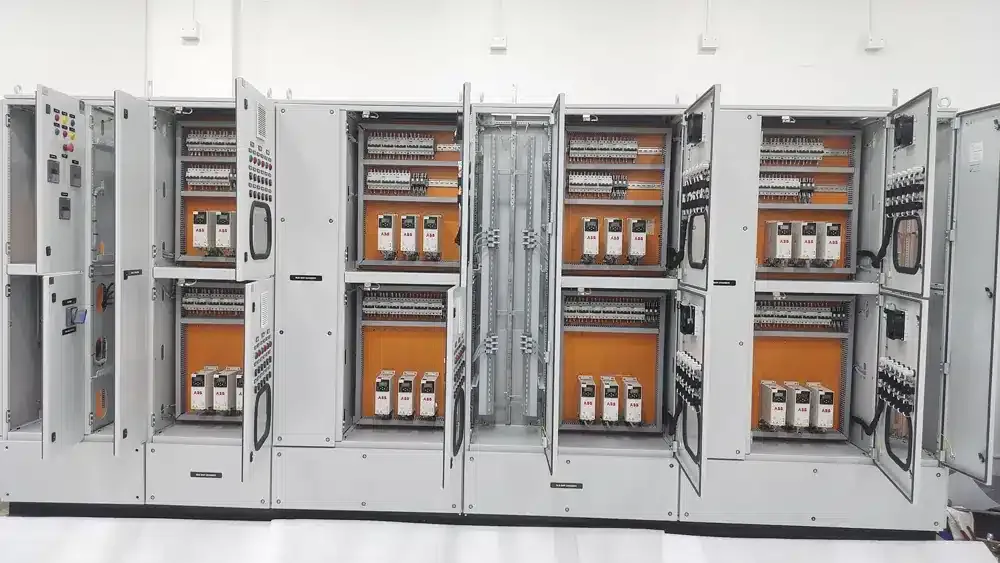
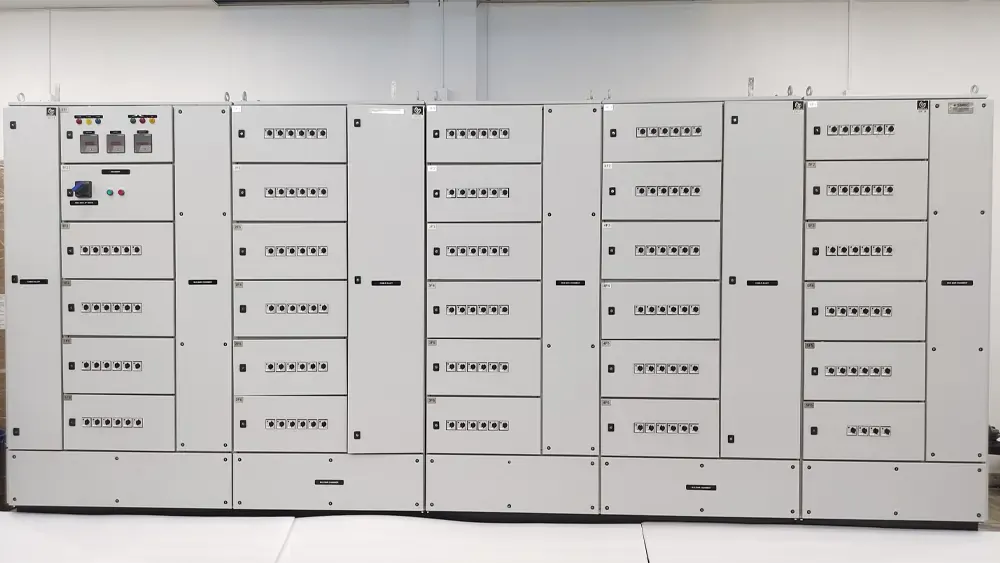
Project Name : IREL - MCC Panel

IREL implements advanced MCC panels for efficient industrial motor control.

Comparison Between SMEClabs and Typical Institues

FeatureSMEClabsTypical Institute
25+ Years Experience✓Limited
40,000 Sq Ft Labs✓✗
Marine Projects✓✗
Industrial Automation Projects✓Limited
Placement Assistance✓Varies
International Exposure✓Limited

Learning options & certification

Shareable Certificate

International & National Level Certification.

Online Instrumentation courses

Start instantly and learn at your own schedule

Classroom Instrumentation courses

Get Instrumentation courses in Classroom at limited locations. Kochi, Alappuzha, Ernakulam, Idukki, Kasaragod, Kollam, Kottayam, Malappuram, Pathanamthitta, Thiruvalla, Chennai, Trivandrum, Mumbai, Calicut, Bangalore, Mangalore, Vizag, Dubai, Saudi Arabia, Qatar, Oman, Kuwait, Nigeria, South Africa, Libya, Egypt, Ethiopia

NSQF

Equivalent to NSQF (National Skill Qualification Framework) level 1 - 8

Our Latest Blogs

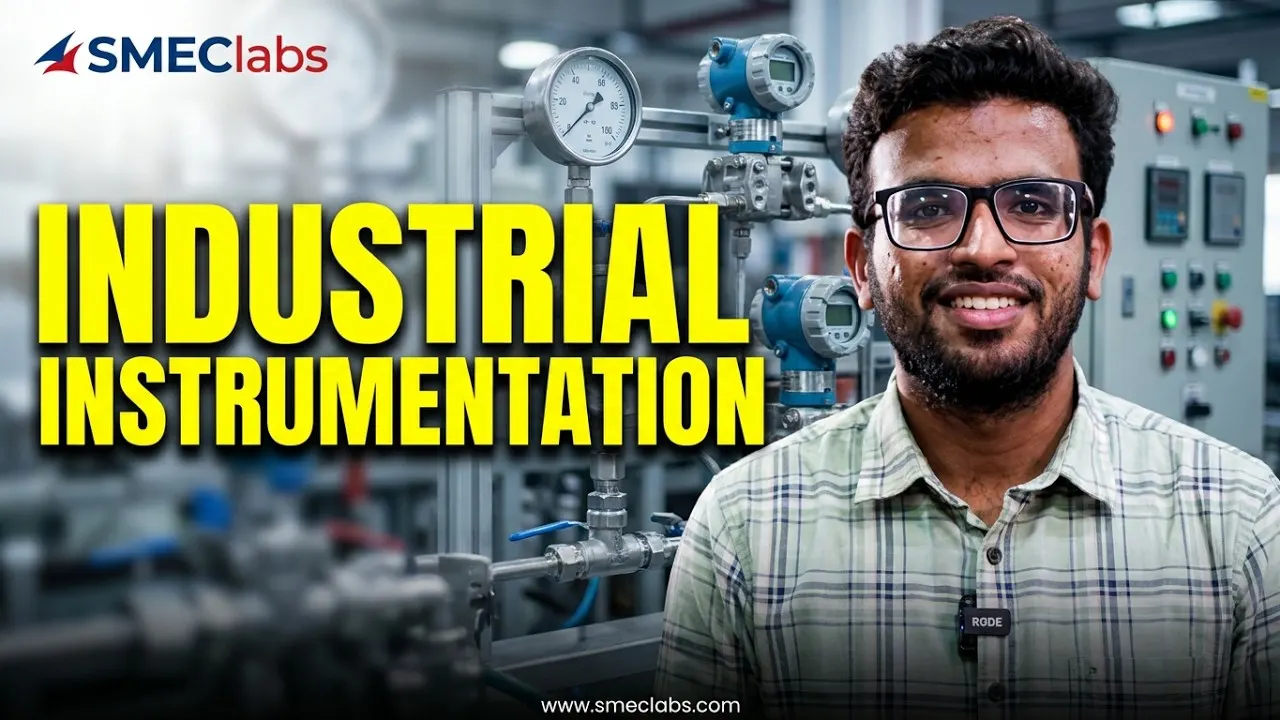
  • Industrial Instrumentation
  • Industrial Control System
  • Marine Boiler Automation

Minimum Eligibility for Instrumentation Courses

  • Plus Two, ITI , Diploma, BE. B.Tech, M.E, M.Tech
  • No previous experience required

Who Is This Program For?

  • Professionals interested in exploring Instrumentation
  • Hobbyists and students who want to start their career in Instrumentation world
  • If you think about 'Instrumentation' then think about taking this course. you will not be disappointed

Your Golden Opportunity Awaits

In today’s rapidly evolving industrial landscape, instrumentation plays a critical role in ensuring efficiency, safety, precision, and smooth industrial operations. From oil and gas plants and power stations to manufacturing industries and process automation systems, instrumentation technology is the backbone of modern industries. At SMEClabs, we prepare students and professionals for this high-demand sector through our industry-oriented Instrumentation Training Programs.Our courses are designed to provide practical knowledge and hands-on experience in Industrial Instrumentation, Process Control, PLC, SCADA, Sensors, Transmitters, Control Valves, DCS, and Calibration Technologies. With expert trainers, advanced laboratory facilities, and real-time exposure to industrial projects, students gain the technical confidence and practical skills required to succeed in today’s competitive industrial environment. We focus on both technical excellence and industry readiness to help learners build strong professional careers.Don’t just watch industries evolve—become a skilled professional driving industrial innovation and efficiency. Whether you are a fresher, a diploma holder, an engineering graduate, or a working professional, SMEClabs helps you build a strong foundation for a successful career in the instrumentation and process industries. Our training programs open career opportunities in oil and gas, manufacturing, power plants, petrochemical industries, automation companies, and industrial projects worldwide. Join SMEClabs and take the first step toward a rewarding instrumentation career in 2026 and beyond.
Instrumentation Courses kerala

FAQ - Frequently Asked Question for Instrumentation courses

What is Instrumentation course ?
An Instrumentation Course is a specialized training program that teaches students how to measure, monitor, control, and automate industrial processes. The course covers topics such as sensors, transmitters, pressure, flow, level, and temperature measurement; calibration; PLCs, SCADA, control valves, and industrial communication systems used in manufacturing, oil and gas, power plants, and process industries.
Best Instrumentation Training Institute?
The main institutes that provide Instrumentation courses are.
  1. SMEClabs – Provides Training in Online and classroom settings for freshers and Professionals.
  2. Siemens
  3. Schneider Electric
  4. Aventics
  5. Bosch
Job Opportunities and how SMEClabs will help?
SMEClabs will provide you with the skills needed, starting from basics to the latest updates and their implementation. SMEClabs also offers you the luxury of being TUV Rheinland (Germany)- certified, so you are not just trained but also certified and recognized worldwide. Industries, Ships, Hotels, Stadiums, Rockets, Rigs, Power plants, and the list goes on with opportunities.
Who can join Instrumentation Training?

Instrumentation Training is suitable for B.Tech/B.E graduates, Diploma holders, ITI students, Polytechnic graduates, and working professionals from Electrical, Electronics, Instrumentation, Mechanical, Automation, and related engineering backgrounds. Fresh graduates looking to build a career in industrial automation and process control can also enroll.
What is the salary of an Instrumentation Engineer?

The salary of an Instrumentation Engineer depends on qualifications, skills, certifications, and experience. Freshers can typically earn between ₹2.5 LPA and ₹5 LPA, while experienced professionals in industries such as oil and gas, power generation, pharmaceuticals, and automation can earn significantly higher salaries. International opportunities often offer attractive compensation packages for skilled instrumentation professionals.

Is Instrumentation a good career in 2026?
Yes, instrumentation remains a promising career in 2026 due to increasing automation across industries. The growing adoption of Industry 4.0, smart manufacturing, process automation, and digital transformation has created strong demand for instrumentation engineers in sectors such as oil and gas, power plants, manufacturing, pharmaceuticals, marine, and renewable energy.
What are the job opportunities after completing an Instrumentation Course?

After completing an Instrumentation Course, candidates can pursue roles such as Instrumentation Engineer, Calibration Engineer, Process Control Engineer, PLC Engineer, SCADA Engineer, Automation Engineer, DCS Engineer, Maintenance Engineer, Commissioning Engineer, Service Engineer, and Control Systems Engineer. Opportunities are available in industrial plants, automation companies, oil and gas industries, marine sectors, power stations, and manufacturing facilities.
What is the duration of Instrumentation Training?

The duration of Instrumentation Training varies depending on the course structure and learning objectives. Most professional training programs range from 3 to 6 months and include classroom sessions, practical laboratory training, industrial projects, and placement assistance. Fast-track and customized programs may also be available for working professionals.

What skills will I learn in an Instrumentation Course?
Students learn industrial instrumentation, calibration techniques, process control systems, pressure, flow, level, and temperature measurement, control valves, PLC programming, SCADA systems, HART communication, troubleshooting, and industrial maintenance practices.
Does SMEClabs provide practical training?

Yes. SMEClabs emphasizes hands-on practical training through advanced laboratories, live industrial equipment, calibration instruments, PLC and SCADA systems, and real-world projects to ensure students gain industry-relevant experience.

Are placement assistance services provided after the course?
Yes. SMEClabs offers placement assistance, career guidance, resume preparation, interview training, and job support to help students secure employment opportunities in the industrial automation and instrumentation sectors.
Which industries hire Instrumentation Engineers?

Instrumentation Engineers are hired by oil and gas companies, petrochemical plants, power generation facilities, manufacturing industries, pharmaceutical companies, food processing plants, marine industries, automation companies, EPC contractors, and process industries worldwide.

Is prior experience required to join an Instrumentation Course?

No. Most Instrumentation Courses are designed for both beginners and experienced professionals. Basic knowledge of engineering concepts can be beneficial, but comprehensive training is provided from fundamental to advanced levels.

Why choose SMEClabs for Instrumentation Training?
SMEClabs offers an industry-oriented curriculum, practical lab sessions, experienced trainers, live projects, modern training facilities, placement support, and exposure to real industrial applications, making it one of the leading choices for Instrumentation Training in Kerala. Courses

Try a free online demo class

Join a live session with our trainer and see how the course is taught.

Your next chapter

Have a question about this course?

Talk to our team about Instrumentation Courses - Offshore Oil & Gas Marine.

Speak to admissions
Ask us